Ask ten people at a family dinner whether the karahi on the table is lamb or mutton and you will get ten confident answers, most of them wrong. Lamb is meat from a sheep under 12 months old, usually milder, more tender, and quicker to cook; mutton comes from an older sheep, typically two years or more, with a deeper flavour, firmer texture, and a better fit for slow cooking.
In plenty of British Asian homes the word “mutton” covers anything from a sheep, whatever its age. Walk into a British farm shop and “mutton” means something quite specific and quite rare. Both camps have a point, but the distinction affects taste, texture, cooking method, price, and which cut suits the dish in front of you.
If you cook at home, buy from a butcher, or love South Asian, Middle Eastern, or North African food, getting this right helps you choose better meat and cook it properly. Here is the whole picture from a butcher’s side of the block: how to tell lamb from mutton, what freshness to look for, which cuts work where, and what to know before you buy.
The short answer
Lamb is meat from a sheep under 12 months old. Mutton is meat from a sheep that is older, usually two years or more. In between sits hogget, meat from a sheep in its second year, which most UK shops lump in with one or the other.
Age does three things, and those animal ages are the basis of lamb vs meat labels: lamb comes from a young sheep, while mutton comes from adult sheep or older sheep. Lamb is mild, tender lamb that cooks quickly, while mutton has a stronger flavour, can be chewier if rushed, and rewards long, slow cooking with spice.
That is the whole difference between lamb and mutton. Everything else, from price to which dish suits which meat, follows from those three points.
How to tell them apart on the plate and in the pack
If you have both in front of you, the differences are obvious once you know what to look for, even though both come from domestic sheep.
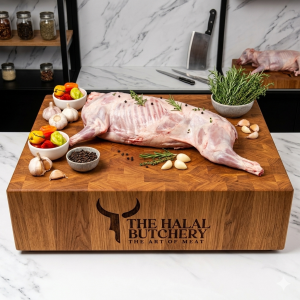
Colour. Lamb is pink to light red with white, soft fat. Mutton is a deeper burgundy with firmer, creamier fat that has more colour to it.
Bone. Lamb bones are smaller, pinker and more porous. Mutton bones are larger, whiter and denser. A mutton back chop can be half again the size of a lamb one from the same cut.
Smell. Raw lamb smells clean and faintly sweet. Raw mutton smells more distinctly of sheep. Neither should smell sour or sharp. If it does, it is not fresh, whichever animal it came from.
Fat. Mutton fat carries much of the flavour and is where the “gamey” note people talk about lives. Trim it heavily and you lose a good deal of what makes mutton worth buying.
If you are buying online you will not get to smell or prod anything, so the honest approach is to buy from a butcher who labels lamb and mutton separately, especially as mutton is often mislabeled as lamb in grocery stores. At THB they are separate categories with separate cuts, including common cuts, so what you order is what arrives. Browse the lamb range and the mutton range side by side and the difference in the cuts on offer tells its own story.
Flavour: lamb vs mutton – mild and sweet versus deep and savoury
Lamb has a gentle, sweet, slightly grassy flavour, while older sheep meat develops a more pronounced gamey flavor or gamey taste. It takes seasoning well without being overwhelmed and it is the meat most British roast traditions are built around. A leg of lamb with garlic and rosemary, pink in the middle, is lamb doing exactly what lamb is good at.
Mutton offers a deeper, more savoury profile because of a higher concentration in the fat that produces a stronger flavour, closer to what many people would describe as “proper meaty”. It has a slight sharpness at the edges that pairs beautifully with whole spices, ginger, garlic and slow cooking. This is why mutton is the backbone of so many South Asian, Middle East and North African dishes. Nihari, mutton karahi, haleem, rogan josh, Moroccan tagine: these traditional dishes and recipes were built for mutton first.
If you grew up eating “lamb curry” in a Pakistani or Bangladeshi home, there is a fair chance it was mutton. The flavour you remember, that depth that supermarket lamb never quite delivers, is the age of the animal.
Texture and cooking methods: the part most people get wrong
Here is where buying the wrong one causes real disappointment.
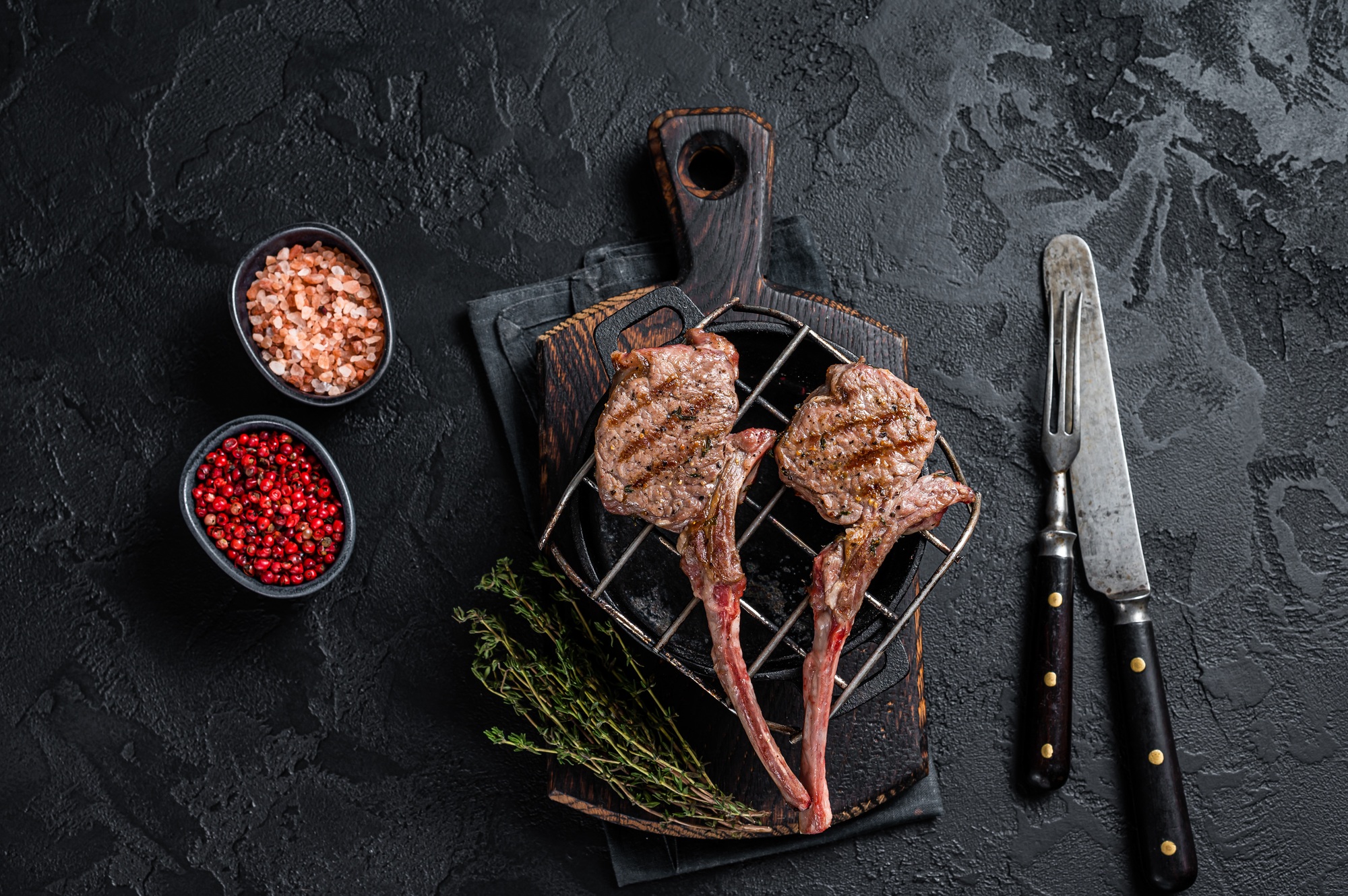
Lamb is tender enough to cook fast, and tender cuts handle quick cooking well. Chops can go on a hot grill for a few minutes each side. A leg can be roasted and served pink. Diced lamb will be soft in a curry in 45 minutes to an hour. Cook lamb slowly and it will still be lovely, but you do not need to, while high heat can dry out less tender or larger cuts.
Mutton has more connective tissue and firmer muscle fibre. Cook a mutton chop like a lamb chop and it will be tough. Give the same chop 90 minutes in a spiced braise and it becomes something lamb cannot match: the meat softens, the collagen turns to a rich gloss in the sauce, and the flavour deepens rather than fading.
The rule is simple. Cooking methods depend on both age and cut: lamb suits speed and heat, while mutton suits time and liquid. Roasting, grilling and pan-frying favour lamb. Braising, stewing, curries, slow roasting and pressure cooking favour mutton, and slow cooking methods are especially useful for tougher cuts.
There are exceptions worth knowing. A mutton fillet steak, the tender strip that runs along the back, can be cooked quickly and served pink like a lamb fillet, with more flavour. And lamb shanks or shoulder, though tender by nature, are still best cooked slowly because of where the cut comes from, and braising lamb shoulder is ideal for tougher cuts. Cut matters as much as age.
Which cuts to buy for which dish
Rather than think “lamb or mutton”, think “what am I cooking” so home cooks can match the cut to the dish more easily.
Karahi, curry, nihari, haleem, stews: mutton on the bone every time. Mutton diced on the bone is the workhorse. The bone gives body to the gravy and the meat holds together through long cooking. For nihari specifically, mutton shank or beef shank is the traditional choice.
Chops for the grill or tawa: lamb for speed, mutton for flavour if you are willing to marinate overnight and cook a little slower. Lamb back chops or loin chops are the quick weeknight option. Mutton back chops marinated in yoghurt, ginger and garlic, then finished on a hot grill, are the Sunday version.
Roasts: lamb for a pink, tender centrepiece. A whole leg of lamb or a lamb shoulder as a shoulder roast, with larger cuts like shoulder and leg suiting slow roasting best. Mutton leg can be roasted but wants four or five hours at a low temperature, wrapped, with plenty of aromatics.
Mince for kebabs, keema, koftas:lamb mince for a milder, softer result that children tend to prefer. Mutton mince for seekh kebabs and keema with real depth. Many cooks mix the two.
Ribs:lamb ribs for quick spiced grilling. Mutton ribs rack for a long roast or a rich, sticky braise.
Whole animal for Qurbani, Aqeeqah or a big family event: both are available as full lamb or whole mutton. Mutton gives more meat per animal; lamb gives a more tender result across every cut.
Price: why mutton is often better value
In most British supermarkets mutton is hard to find at all, and where it exists it can cost more than lamb because it is treated as a speciality product for chefs and food writers who have rediscovered it. If your supermarket does not stock it, buy mutton from local British suppliers or butchers, and ask your butcher to order it in if needed.
In halal butchery the picture is different. Mutton is an everyday meat in the communities THB serves and it is priced accordingly. Kilo for kilo, mutton usually costs less than lamb for the equivalent cut, and buying from local farms is often the best quality cue when sourcing it. Because the flavour is stronger you can use a little less of it in a heavily spiced dish and still taste the meat. For a family cooking curries and stews through the week, mutton on the bone is one of the best-value proteins available.
Lamb costs more because there is less of it per animal and because demand for tender, quick-cooking cuts is high. Shoppers may also see domestic lamb in this part of the market. It is worth paying for when the dish depends on tenderness: chops, roasts, anything served pink.
Is mutton healthier than lamb?
There is not a great deal in it. Both are red meats rich in protein, iron, zinc and vitamin B12, though red meat intake is associated with increased risk of cancer, including for lamb and mutton. Mutton tends to carry a little more fat, though much of that is on the outside and easy to trim if you want to. Lamb from a younger animal is slightly leaner in the muscle itself.
What matters more is the cut and the cooking. A lean mutton leg, slow-cooked with the fat skimmed from the gravy, can end up lower in total fat than lamb ribs grilled with the fat on. If you are choosing for a gym or health goal, look at the cut first. THB’s lean and healthy box and gym boxes are built around exactly this thinking. For a fuller look at what red meat brings to the table, THB Mag covered the forgotten nutrients in red meat.
Why freshness matters more for mutton
Both meats should be bought fresh, but mutton in particular suffers when it has been frozen and thawed. Freezing damages muscle fibres, and mutton’s firmer texture shows that damage more clearly, coming out drier and more fibrous after a long cook.
THB meat is never frozen. Every order is butchered fresh, vacuum-sealed and dispatched in temperature-controlled packaging for next-day delivery. If you are not cooking straight away, you can freeze it yourself at home on the day it arrives, which gives a far better result than buying meat that was frozen in bulk weeks ago. The THB Mag piece on why your meat shouldn’t come from a supermarket shelf explains the difference in more detail.
Frequently asked questions
Is mutton just old lamb?
In a sense, yes: mutton is meat from a sheep beyond its first year, usually from adult sheep two years old or more. But “old” undersells it. Unlike lamb from a young animal, the extra age develops flavour and texture that lamb never reaches, which is why mutton is preferred for slow-cooked dishes across much of the world.
What is hogget?
Hogget is sheep meat from an animal in its second year, between lamb and mutton. It has more flavour than lamb and more tenderness than mutton. In the UK it is rarely sold under its own name; most shops sell it as one or the other, though you may see it at farmers markets in late winter and spring, unlike spring lamb.
Why does mutton taste gamey?
The flavour compounds that give sheep meat its character build up with age and concentrate in the fat. Well-hung, fresh mutton tastes rich and savoury rather than unpleasantly gamey. If mutton tastes harsh or musty, the meat has usually been stored badly or frozen and thawed.
Can I substitute lamb for mutton in a curry?
You can, but reduce the cooking time by a third or more, or the lamb will fall apart and turn stringy. The dish will be milder. For dishes like nihari or haleem where the meat needs to cook for hours and stay intact, mutton on the bone is the better choice.
Which is better for children?
Lamb, generally. It is milder and more tender, and children tend to accept lamb mince, lamb chops and lamb keema more readily than mutton. Save the mutton for the adults’ karahi.
How long does fresh mutton keep in the fridge?
Vacuum-sealed and kept below 4°C, fresh mutton and lamb keep for three to five days. Once opened, cook within two days. Freeze on the day of delivery if you are not cooking within that window.
Does THB sell both lamb and mutton?
Yes, as separate categories with clearly labelled cuts. Browse lamb and mutton, or order a Lamb Royale Box if you want a range of lamb cuts in one delivery.
The verdict
Buy lamb when the dish wants tenderness and speed for the right recipes and a delicious result: grilled chops, a pink roast, a quick keema. Buy mutton when the dish wants flavour and time: karahi, nihari, haleem, a slow Sunday braise. If you cook South Asian food regularly, keep mutton on the bone in the fridge as standard and treat lamb as the occasional upgrade.
Whichever you choose, THB delivers it fresh, never frozen, certified halal and at your door within 24 hours. Order today from the lamb or mutton range and feast tomorrow.