The arrival of a new baby fills a house with visitors, and for Muslim families the aqeeqah is one of the first big gatherings of the child's life. The animal sacrifice is an act of thanks to Allah for the blessing of a newborn child, and the meat that follows becomes a meal for family, friends, neighbours and those in need.
That second part is where most parents find themselves with questions. How much meat will there be? How should it be cut? What should you cook for forty guests, and how do you share the rest? This guide is the practical side of aqeeqah food and hosting: planning the meal, choosing the cuts, the dishes that suit aqeeqah meat best, and how to divide and store it.
Aqeeqah (also written aqiqah) is a sunnah of the Prophet Muhammad, peace be upon him, performed after a child's birth. In the mainstream understanding, the animal is sacrificed on the seventh day after the baby is born, and if that is not possible, on the fourteenth or twenty first day, or later when the family is able. It is a strongly recommended act; most scholars do not consider aqiqah obligatory.
The most widely followed practice is two sheep or two goats for a boy and one sheep or goat for a girl. On the same day the baby's hair is shaved, the equivalent value of its weight in silver is given in charity, and the child is named. Opinions on the details differ between schools of thought, so if you have a specific question, ask a scholar you trust.
For the full guide to the rulings and timing, and to arrange your aqeeqah through THB, see Aqeeqah Meat UK.
This is the question every parent asks, and it shapes the whole meal.
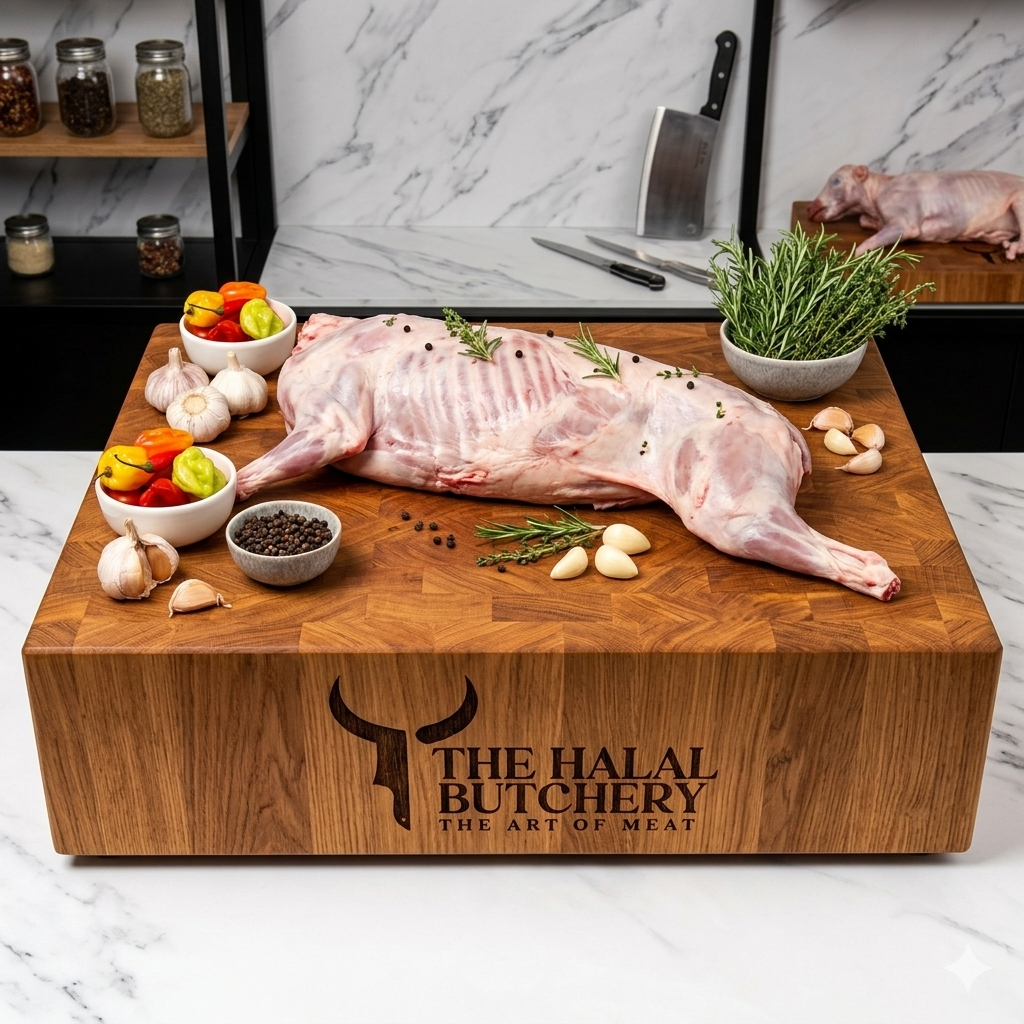
THB's aqeeqah service offers spring lamb in the 18 to 20kg range or mutton in the 24 to 26kg range, with one animal recommended for a girl and two for a boy. That is meat on the bone, including the bones and fat that give flavour to a curry or biryani, so the amount of meat on the plate is less than the headline weight.
As a rough guide, one lamb of that size, cooked on the bone in a biryani or curry, will serve a generous meal for 40 to 50 guests alongside rice and sides. Two animals for a boy will comfortably feed a large gathering with plenty left over to share. Mutton gives more meat per animal and a deeper flavour; lamb is more tender and cooks faster. The guide to mutton vs lamb explains the difference in more detail.
How the meat is cut decides what you can cook, so think about the menu before you order. THB offers four cutting styles:
You can also choose to leave the fat on or have excess fat removed. Leave it on for slow-cooked curries and rice dishes, where it carries flavour; trim it if you plan to share raw meat with households who prefer it lean.
The best aqeeqah dishes are ones that feed a crowd, can be cooked in large pots, and taste even better after sitting for an hour. Here are the favourites.
The classic aqeeqah dish in many South Asian families. Diced meat on the bone is marinated in yoghurt and spices, cooked into a rich masala, then layered with par-boiled basmati rice, saffron, fried onions and mint, and steamed until the rice is fluffy. One large pot feeds a room.
A gentler, more fragrant rice dish where the meat is first simmered with whole spices to make a stock (yakhni), and the rice is then cooked in that stock. It suits guests who prefer less heat and makes good use of bony cuts.
A meat curry for serving with naan or roti alongside the rice. Karahi is drier and cooked hard with tomatoes, ginger and green chillies; a salan is a gravy-based curry. Both are perfect for diced aqeeqah meat on the bone. The guide to cooking lamb shoulder includes a karahi method that scales up easily.
For Arab and Yemeni families, large pieces of meat slow-cooked and served on a mound of spiced rice. This is what the Arab-style large pieces are cut for.
If you have whole legs or roasting joints, a slow-roasted, spice-marinated raan makes a centrepiece for the main table. THB's guide to roasting a leg of lamb includes a full raan recipe.
The meat is the heart of the meal, but good aqeeqah food is about the whole table. A few well-chosen extras make a large gathering feel generous without adding much work.
Shami kebabs or seekh kebabs made the day before can be warmed through as guests arrive. A large bowl of cucumber and mint raita, a simple kachumber salad of tomato, onion and cucumber with lemon, and plenty of naan or roti will carry any curry or biryani. If you have vegetarian guests, a chana masala or a dal made in a big pot is easy to scale and keeps well on a low heat.
Many families mark a birth with something sweet. Kheer or firni can be made a day ahead and set in small bowls, gulab jamun can be bought in and warmed, and a tray of mithai is traditional for sharing with neighbours and visitors who drop in through the day. Some families also send sweets out with the portions of meat they give away.
Keep it simple: jugs of water, a sweet lassi or rose milk for the children, and plenty of chai once the meal is over. A gathering with a newborn in the house tends to run long, so a big flask of tea is worth having ready.
As a rough guide for a gathering of 40 to 50 people: one large pot of biryani or pulao, one pot of curry, around 60 to 80 naan or roti, two large bowls of raita and salad, and a dessert portion for each guest. Adjust for your family's appetite; it is always better to have food left over to share than to run short.
A gathering of forty or more is a catering job, and a little planning makes it calm.
Decide the menu first. One rice dish, one curry, bread, a salad and raita is plenty. Order the cutting style that suits it.
Cook in stages. Curries and the masala base for biryani can be made the day before and refrigerated. Rice is best cooked on the day.
Borrow big pots. Two or three large pans are better than one enormous one that will not heat evenly on a domestic hob. Many families also hire a cook for the main pot; if you do, agree the cut and quantity with them before ordering.
Keep it simple for the host. The parents have a week-old baby. Spread the jobs across the family.
There is no fixed rule for dividing aqeeqah meat, and many families serve all of it at the gathering. A widely followed practice, borrowed from Qurbani, is to divide it into three parts: one for the family, one for relatives and friends, and one for the poor and needy.
THB's service makes the charity share straightforward: you can choose to donate one-third to charity and receive the rest, or have all the meat sent to you to distribute yourself.
For sharing with households, the packaging options help:
Aqeeqah meat arrives fresh and chilled. Refrigerate what you will cook within two to three days, and freeze the rest on the day it arrives, in portions sized for one meal. Label each bag with the cut and the date. Frozen meat keeps well for three months. Thaw overnight in the fridge, never at room temperature, and cook within a day of thawing.
If you are giving meat to other households, hand it over chilled and suggest they freeze it if they will not cook it within two days.
The most widely followed practice is two sheep or goats for a boy and one for a girl. Some scholars consider one animal sufficient for a boy as well.
Traditionally on the seventh day after birth. If that is not possible, the fourteenth or twenty first day is common, or later when the family is able. THB can arrange slaughter on the seventh day or on another preferred date, subject to scheduling.
Yes. The family may eat from the aqeeqah meat, serve it to guests, and give it to others. Many families share a portion with the poor and needy.
Meat diced on the bone. The bone adds flavour to the masala and the pieces hold together through the long cooking.
Both are suitable. Lamb is more tender and quicker to cook; mutton gives more meat per animal and a deeper flavour in curries and rice dishes.
Cut and packed to your choice, chilled in insulated packaging, with UK-wide delivery or collection. Full details are on the Aqeeqah Meat UK page.
An aqeeqah should be a day of gratitude and celebration, not a scramble over quantities and cutting. Choose your animal, cut and packaging, and let THB take care of the rest. You can order online through the Aqeeqah meat product page, or read the full Aqeeqah Meat UK guide and get in touch with any questions.